Food guide
Peanut
When a baby is ready to begin solid foods, which is typically around 6 months old, peanut may be offered. Check out how to cook them safely because whole, chopped, and peanut butter are choking dangers for infants and young kids.
How to serve at this age
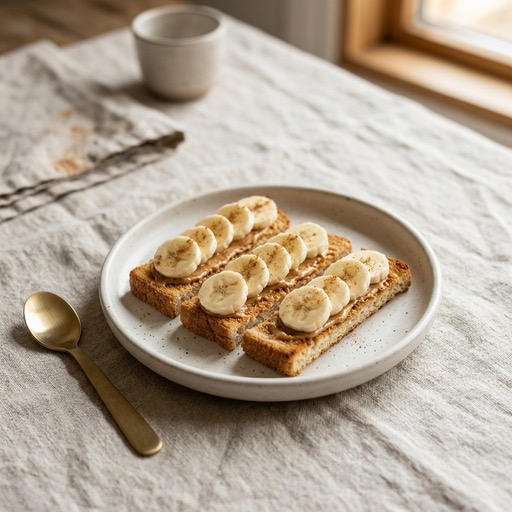
6–9 months old: You can give peanuts to your baby by thinning the recommended quantity of smooth, unsalted peanut butter with hot water (let cool before serving). You can mix it in with yogurt, use it as a dip for fruit, mix with oatmeal or spread onto crackers or even bread. 9–12 months old: If using for finger painting, thin unsalted, smooth peanut butter with water, breast milk, formula, or purées like applesauce. You can also combine it with yogurt (if dairy has been already introduced) or other scoopable meals. 12–24 months old: You can use smooth, unsalted peanut butter without thinning it with water or other liquids on toast, pancakes, bread, and bagels. Continue to coarsely ground whole peanuts and stay away from big globs of peanut butter.
Nutrition
Excellent source of vital amino acids and protein. A source of unsaturated fat as well. Contains minerals such manganese, magnesium, iron, and phosphorus as well as vitamins B and E and other vital minerals that support brain development and provide the body energy. Just make sure to get unsalted peanuts because many of them are high in sodium, which is bad for newborns in excess (or adults).
A note from the editors
Store in refrigerator if you already opened peanut butter jars.
Good to know
For infants and young children, all nuts, nut bits, and nut butters constitute choking dangers. Purées like applesauce or water can be used to thin out peanut butter to lower the risk. Finely ground peanuts can be used as a topping for other foods. Children's peanut allergies are on the rise, and kids with severe eczema or an established egg allergy are at higher risk. Whole and chopped nuts stay a choking hazard until age 5, so keep serving them finely ground or as a smooth, thinned butter.