Food guide
Cauliflower
When a baby is ready to begin solids, which is often around 6 months old, cauliflower, when cooked till soft, may be offered.
How to serve at this age
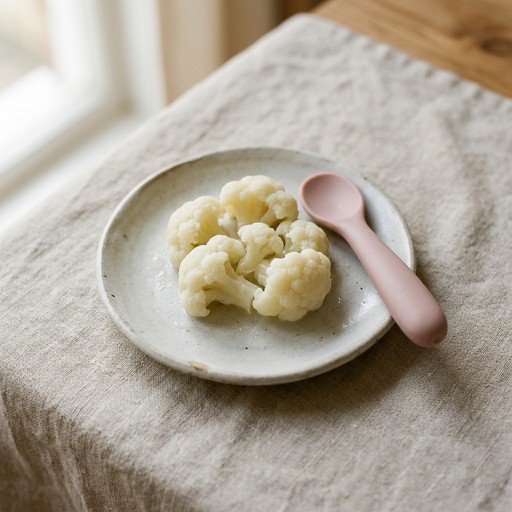
It will take less time to cook if you wash and chop the food into the desired size. You may prepare cauliflower in a variety of ways, but you should be careful not to overcook it to the point that it disintegrates. 6–9 months old: Steam large florets until they are entirely soft and can be easily mashed with the tongue or pierced with a fork. Then, cut the entire floret in half vertically so that the stalk is no longer circular. 9–12 months old: To help your child practice their growing pincer grasp, try giving them bite-sized chunks of cauliflower. 12-24 months old: Give cooked cauliflower florets out as needed, both on their own and in prepared meals for a group.
Nutrition
In addition to being an excellent supply of choline for cell energy and a wealth of B vitamins, including B6 and folate, cauliflower is also a fantastic source of fiber to support a baby's digestive health. Cauliflower, like other cruciferous vegetables, contains a respectable quantity of vitamin C, which aids in the body's absorption of iron, an essential component at this point in life. Along with providing vitamin K for healthy blood, it is also a rich source of phytochemicals, which promote a baby's general growth.
A note from the editors
To get rid of any pests that might be hiding in the cauliflower florets start by filling your sink with cold water. Add 2 tablespoons of vinegar and 1/4 cup of salt. Rinse the broccoli after 20 minutes of letting it sit.
Good to know
Cauliflower that is raw or undercooked is hard and chewy. Cut stems in half lengthwise and steam or roast cauliflower until it is tender to reduce the risk. Cauliflower allergies are uncommon but not unheard of.
Recipes with cauliflower
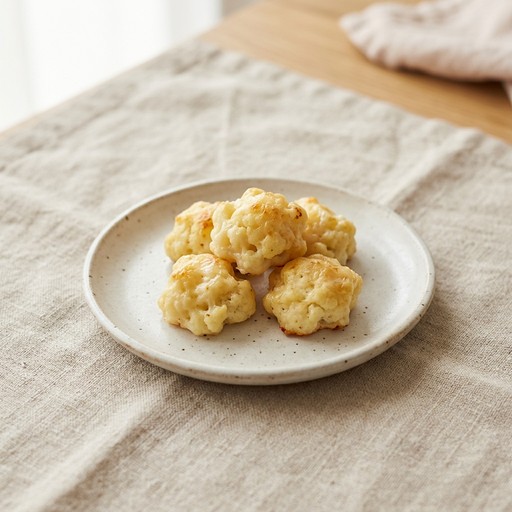
9mo+ · 34 min
Cauliflower Cheese Bites
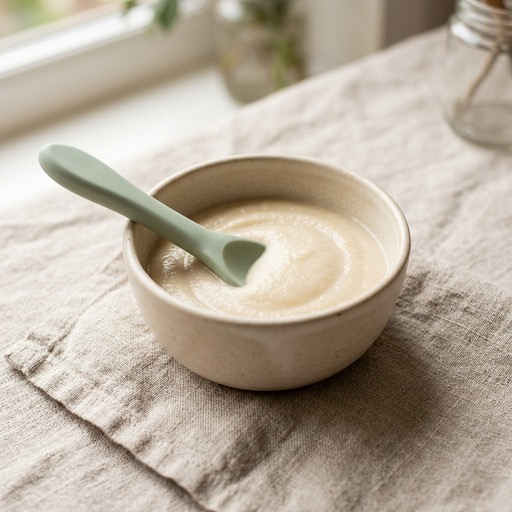
6mo+ · 35 min
Lamb & Cauliflower
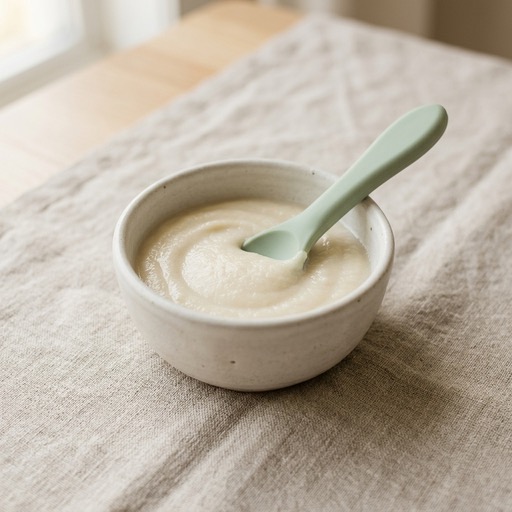
6mo+ · 20 min
Cannellini Bean & Cauliflower
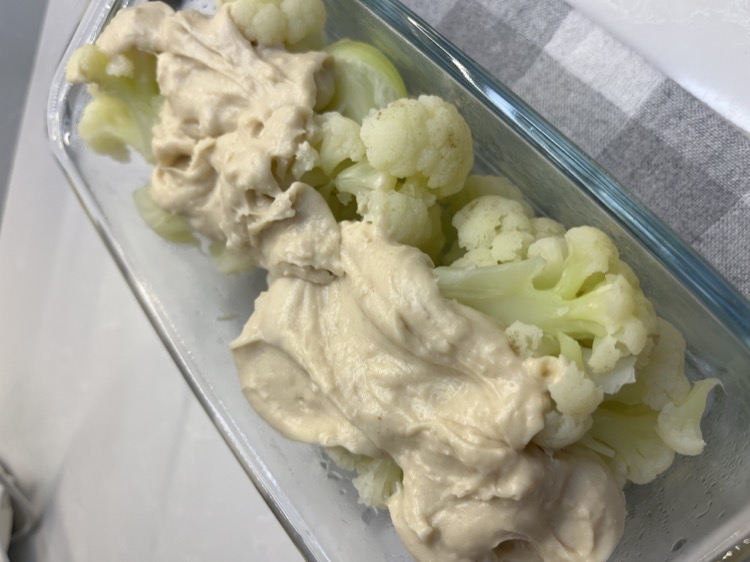
9mo+ · 30 min
Cauliflower Gratin
6mo+ · 17 min
Steamed Cauliflower Florets
6mo+ · 17 min
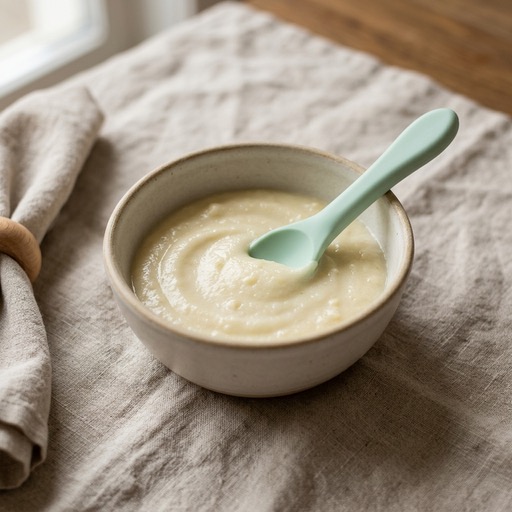
Swiss & Cauliflower
12mo+ · 20 min
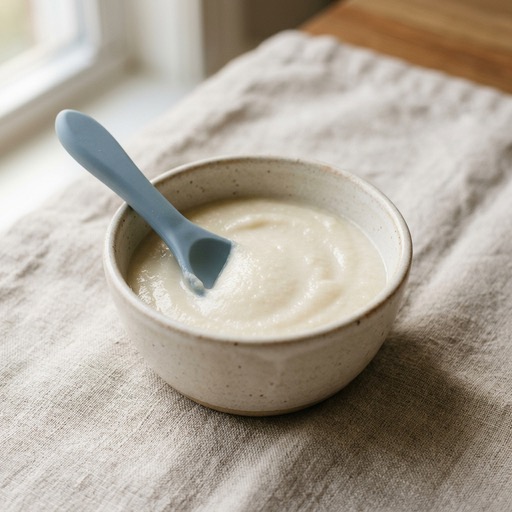
Tuna & Cauliflower

6mo+ · 17 min
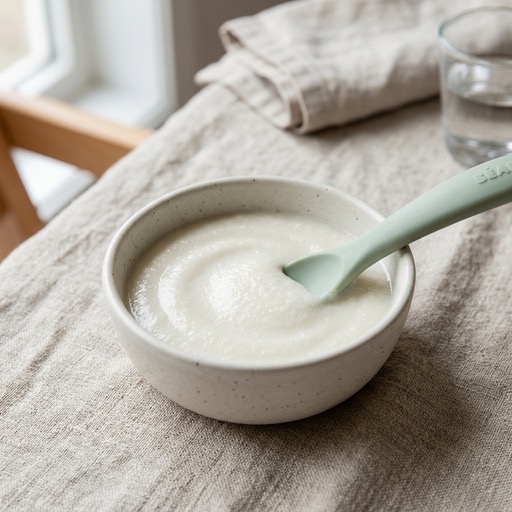
Pink Cauliflower Florets
6mo+ · 17 min