Food guide
Peas Garden
When a baby is ready to begin solids, which is often around 6 months old, peas, when cooked till soft, may be offered.
How to serve at this age
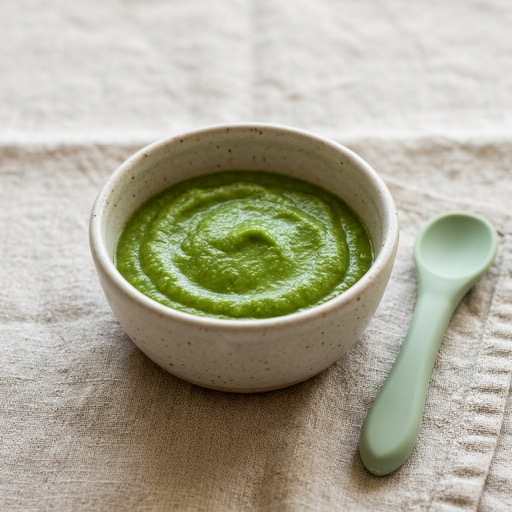
You don't need to cook and serve peas separetely all the time. You may cook and add to your recipes like muffins, soups or omelets. 6-9 months old: Blend boiled peas into a smooth spread and offer with toast strips, teething rusks, or on their own for scooping with the hands. 9-12 months old: Peas can be used as a finger meal for babies 9 to 12 months old to help them practice their growing pincer grasp. Simply flatten them with the back of a fork. 12-24 months old: Cooked peas don't need to be mashed at this age, and you can feed them whole as long as you're certain your child can put them in his or her mouth without hurting themselves.
Nutrition
Peas are a good source of protein, carbs, fiber, vitamin C, and B vitamins, just like other legumes. Antioxidants and minerals including iron, zinc, and phosphorus are also present in peas. Last but not least, peas are a good source of antioxidants, which promote the body's resistance to stress. Peas are a good source of fiber, which supports good digestion, bowel motions, and healthy gut flora.
A note from the editors
When buying canned peas, simply seek for cans that say "no salt added" or "low-sodium," as many canned peas have sodium levels that are too high for babies. Some of the sodium in canned peas can be eliminated by draining and washing them. When available, seek out "BPA-free" cans.
Good to know
Since the average pea's diameter is nearly the same as that of a baby's trachea, their flawlessly round shape could be dangerous. Till you're sure your youngster can manage the peas in the mouth safely, mash into a paste or gently flatten each one with a fork to reduce the risk. Peas don't cause many allergies.
Recipes with peas garden
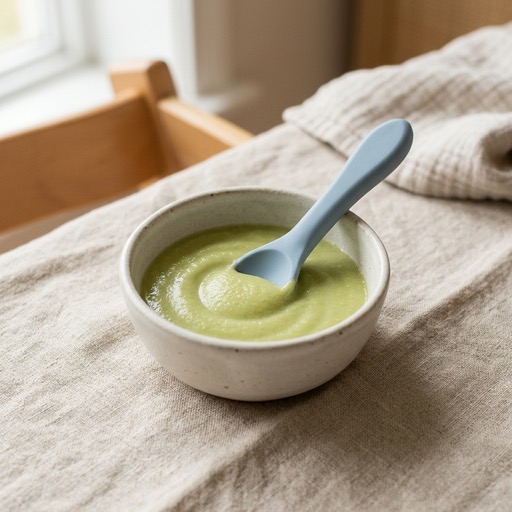
6mo+ · 26 min
Chicken & Pea
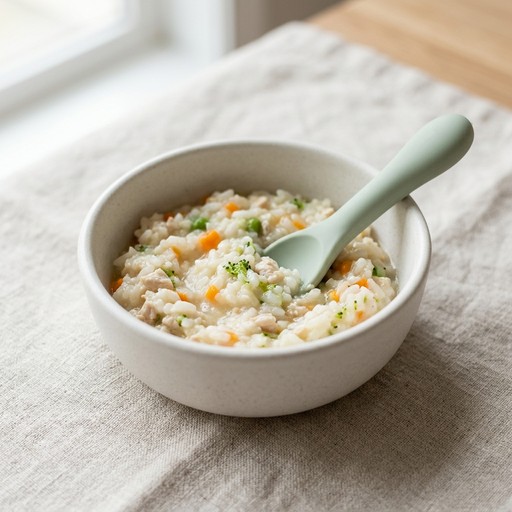
12mo+ · 40 min
Baby Chicken Risotto
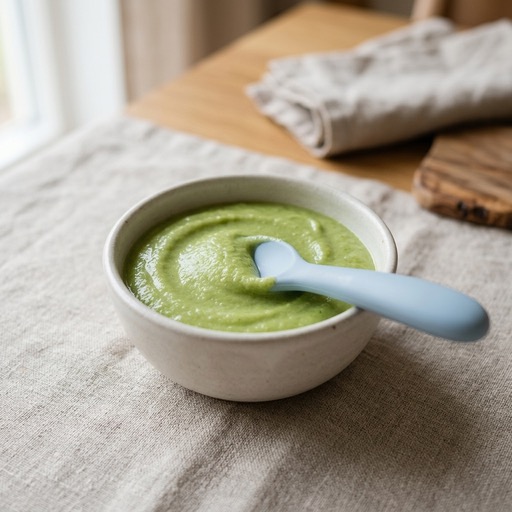
6mo+ · 20 min
Cod & Pea
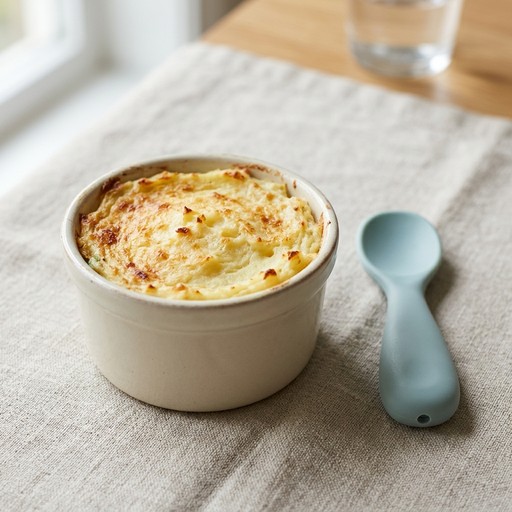
12mo+ · 60 min
Baby Cottage Pie
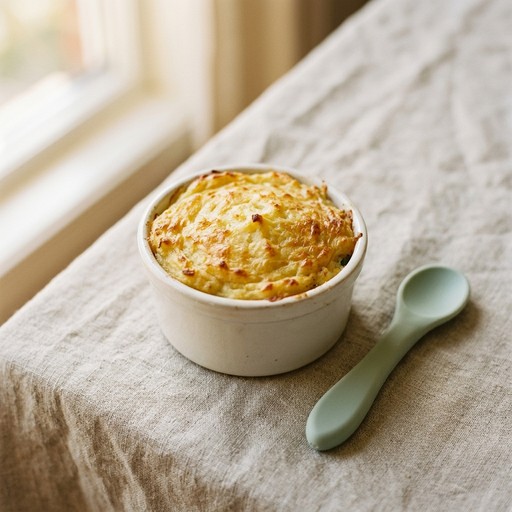
12mo+ · 60 min
Baby Fish Pie
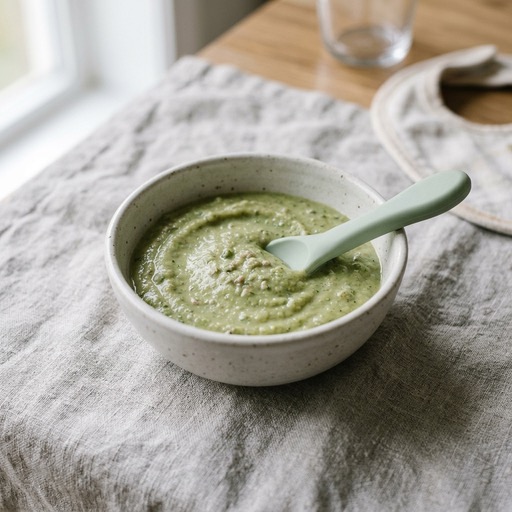
6mo+ · 33 min
Lamb & Pea
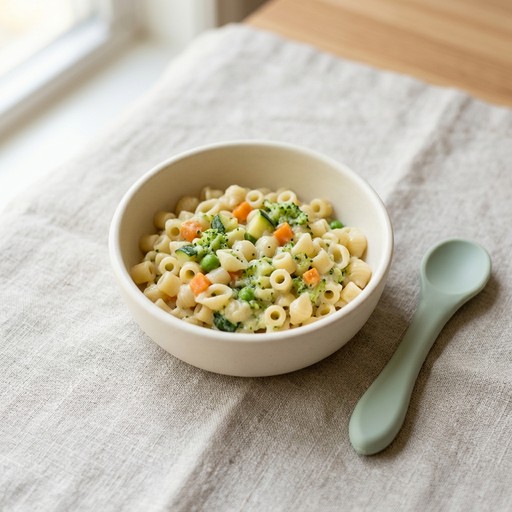
12mo+ · 30 min
Baby Pasta Primavera
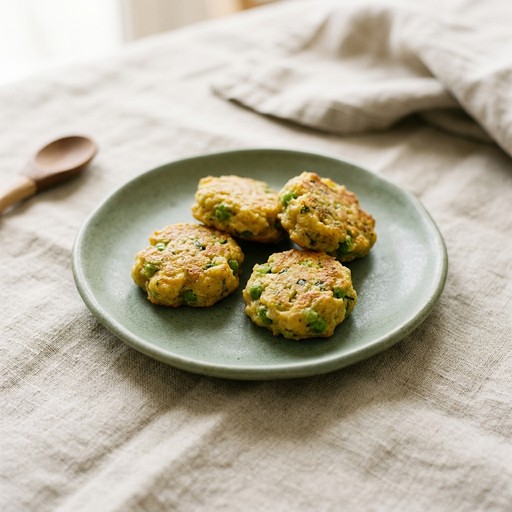
9mo+ · 22 min
Pea & Mint Fritters
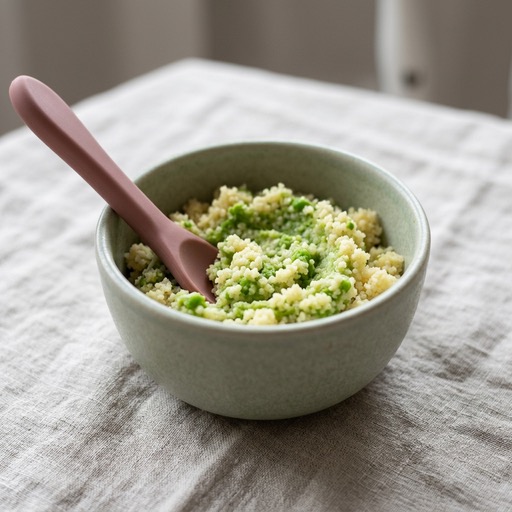
6mo+ · 15 min
Couscous & Pea
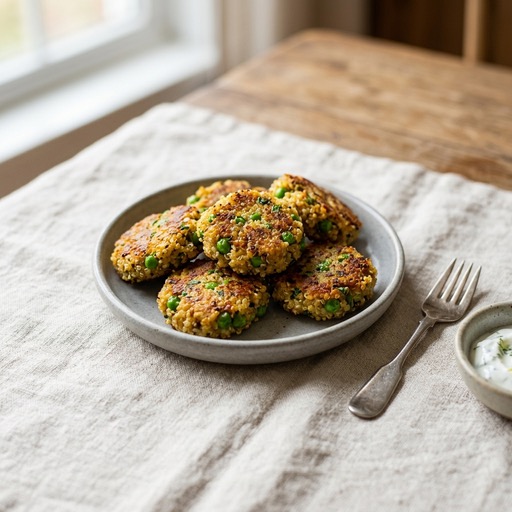
9mo+ · 30 min
Quinoa & Pea Patties
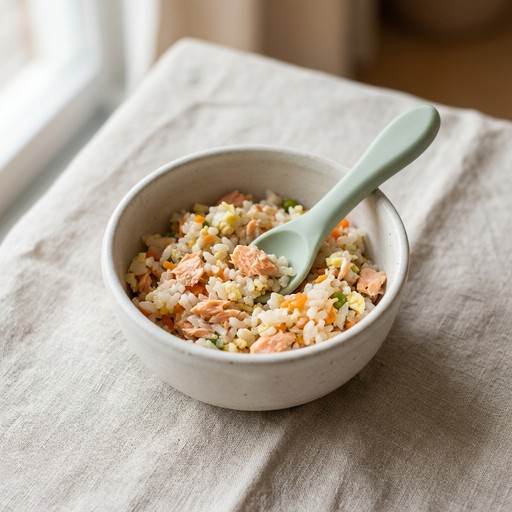
12mo+ · 30 min
Salmon Fried Rice
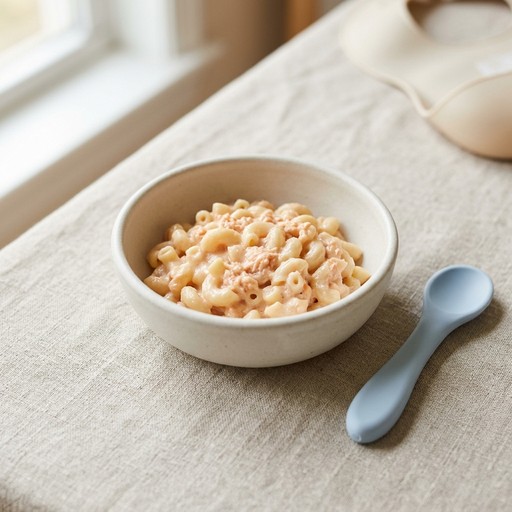
12mo+ · 30 min
Creamy Salmon Pasta
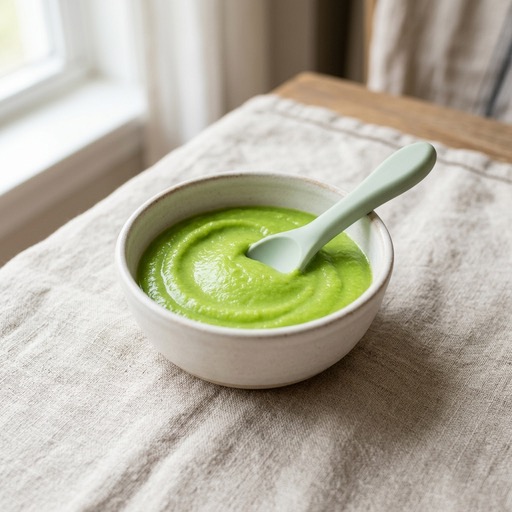
6mo+ · 25 min
Lima Bean & Pea
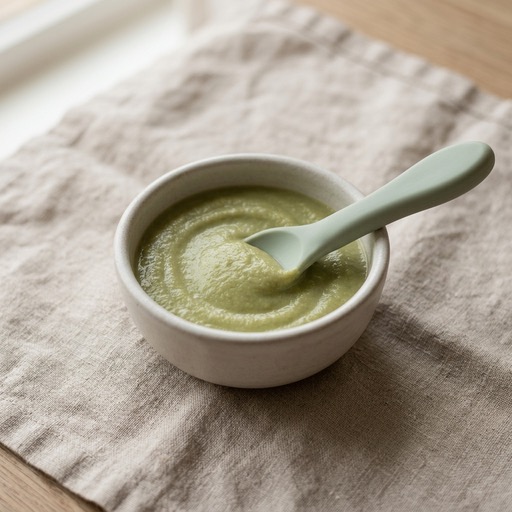
6mo+ · 26 min
Turkey & Pea
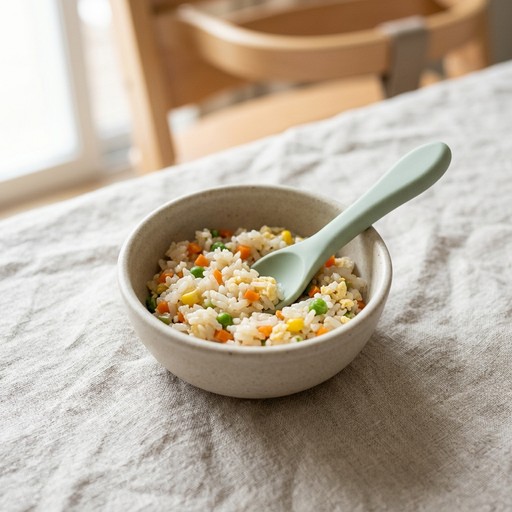
12mo+ · 25 min
Vegetable Fried Rice
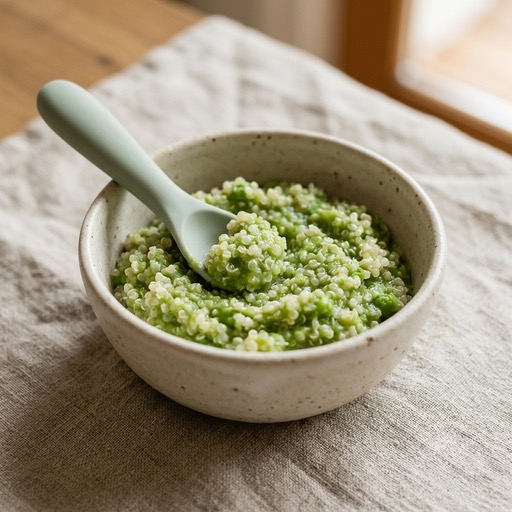
6mo+ · 25 min
Quinoa & Pea
6mo+ · 30 min