Food guide
Carrot
When a baby is ready to begin solid foods, which is typically around 6 months old, carrots may be offered. Particularly in the form of tiny carrots and carrot sticks, raw carrots present a common choking risk.
How to serve at this age
6-9 months old: Cook a full, peeled carrot until it is completely soft and can be pierced easily with a knife. Then, cut the vegetable in half lengthwise. Alternatively, you can mash or grate cooked or raw carrot. 9-18 months old: Offer cooked carrots that have been sliced into bite-sized pieces when you notice this process beginning. Raw grated carrot is another option you have. up to 18 months old: Continue serving cooked, whole carrots that have been sliced into bite-sized pieces, or bigger ones if you like, as a finger snack. Around age 2: Before introducing whole baby carrots, you might wish to start by offering raw carrots that have been sliced into sticks.
Nutrition
Carrots are a good source of vitamin B6, a necessary ingredient for a baby's body to grow and develop, as well as fiber to help with digestion. They also contain carotenoids, which are elements that turn into vitamin A in the body and helps eye development. Raw carrots may soften stool, however cooked carrots may bind stool. Children may experience constipation in different ways, though. Overall, carrots may aid with constipation because of their high fiber content when consumed with proper fluids, exercise, and other fiber-rich foods.
Good to know
Baby carrots and carrot sticks in particular are a major choking hazard. Carrots should be cooked until soft and then sliced into sizes that are suitable for children. Never give a baby a complete raw baby carrot, and only give a toddler a raw baby carrot if you are sure they can chew on their own, probably around 24 months. Carrot allergies are uncommon, however they have been documented. Cut food no larger than 1 cm (about half an inch), and keep round, hard or slippery foods quartered lengthways until age 4.
Recipes with carrot
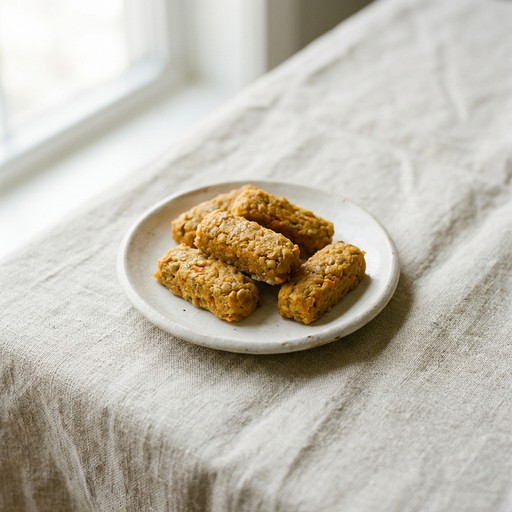
6mo+ · 40 min
Lentil & Veggie Fingers
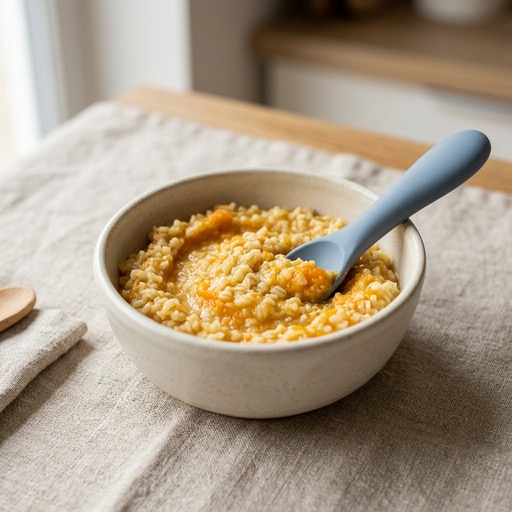
6mo+ · 25 min
Bulgur & Carrot
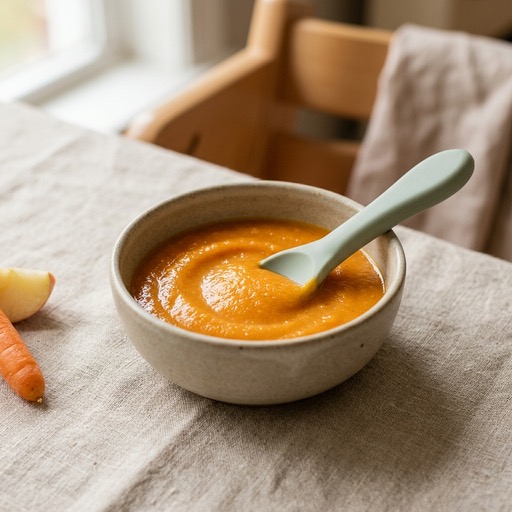
6mo+ · 20 min
Apple & Carrot Combo
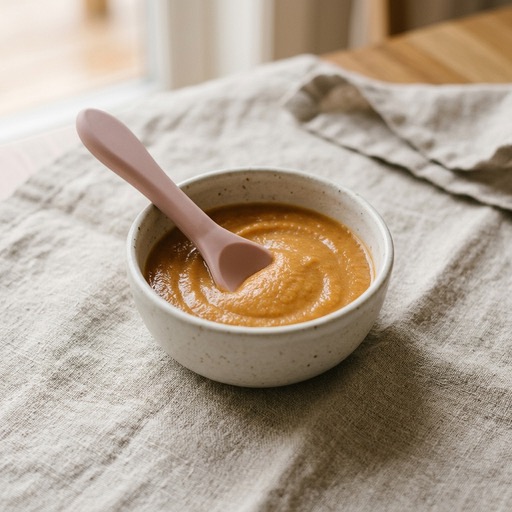
6mo+ · 30 min
Beef & Carrot
9mo+ · 30 min
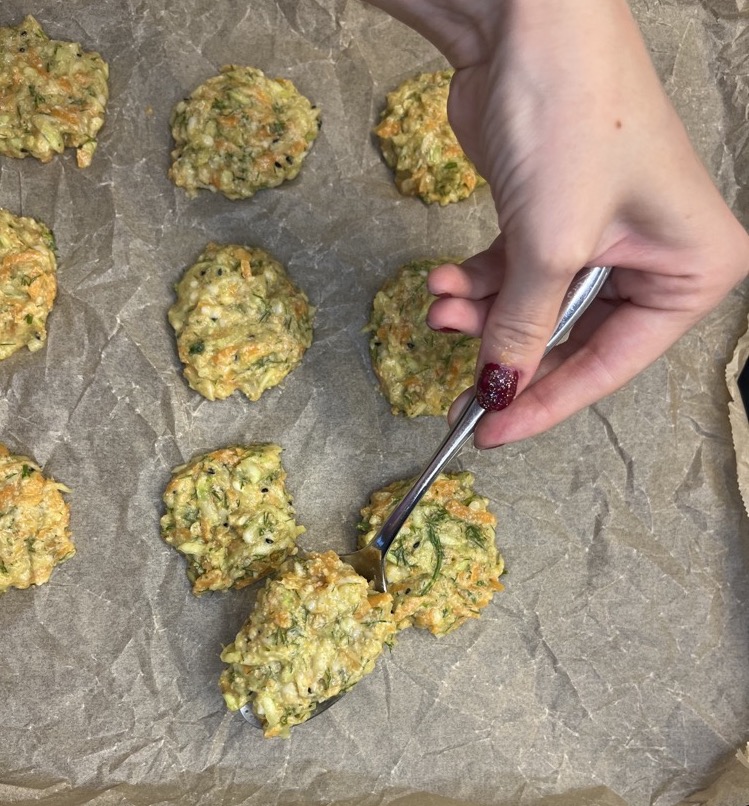
Whole Wheat Vegetable Baby Fritters
9mo+ · 30 min
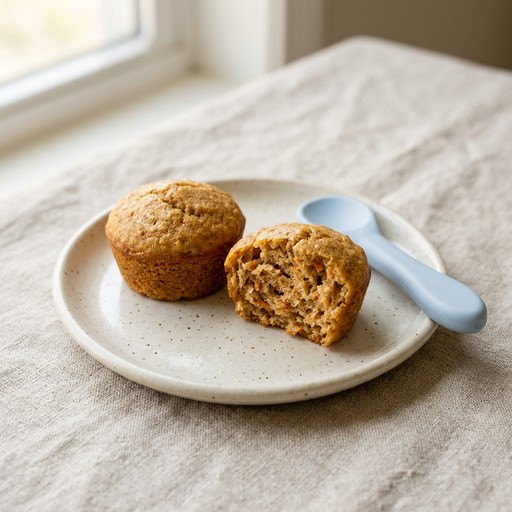
Mini Carrot Cake Bites
6mo+ · 22 min
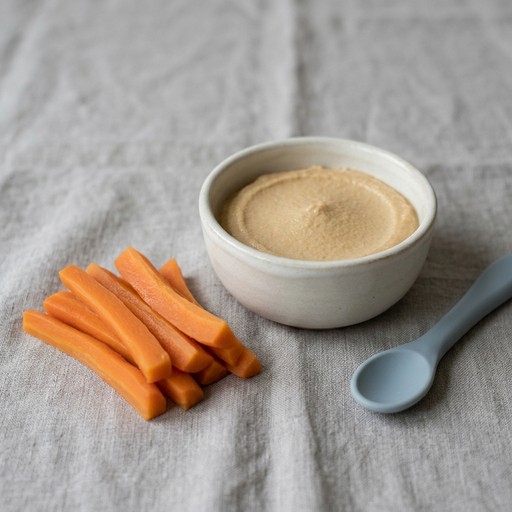
Carrot Sticks with Hummus Dip
9mo+ · 35 min
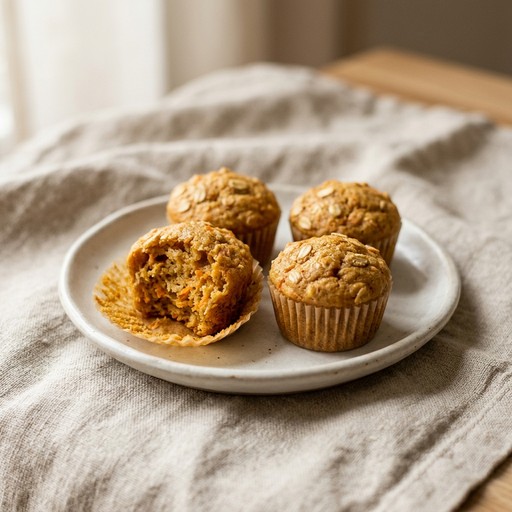
Carrot & Oat Muffins
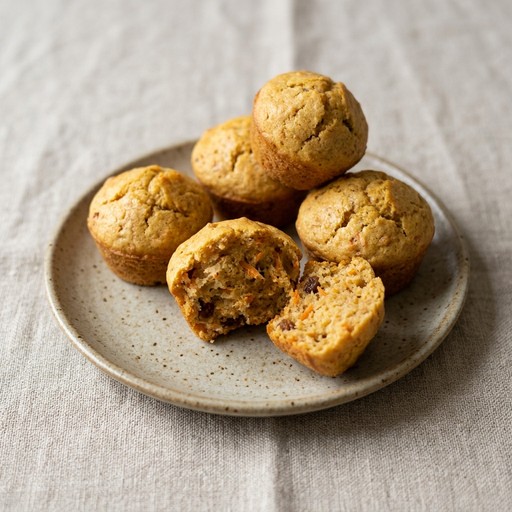
12mo+ · 35 min
Carrot & Raisin Muffins
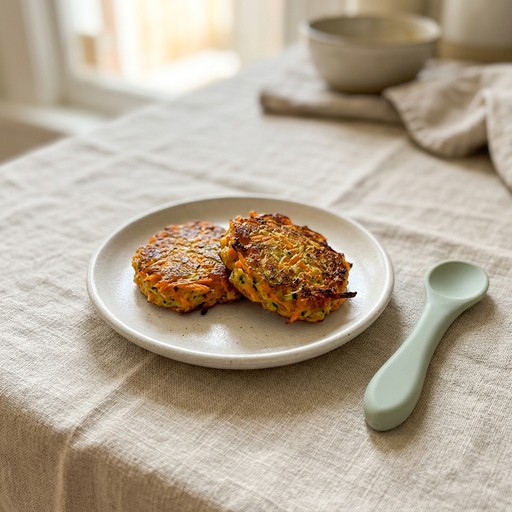
9mo+ · 25 min
Carrot & Zucchini Fritters
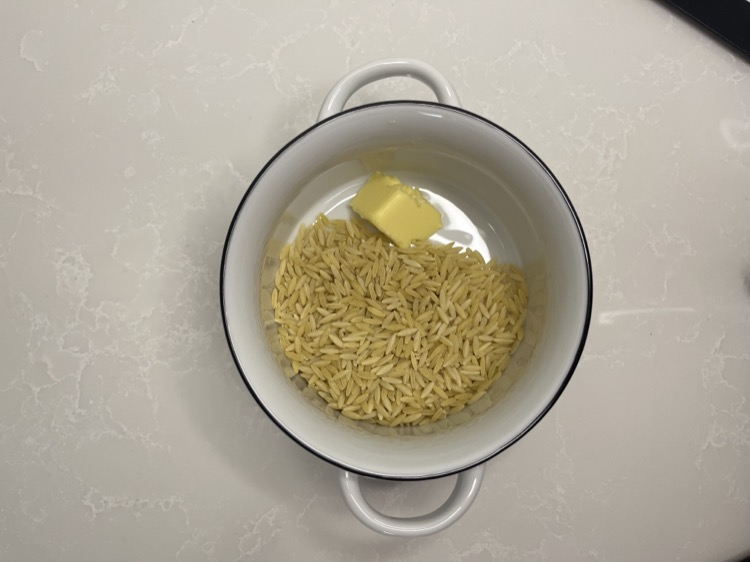
9mo+ · 35 min
Beetroot Orzo Pilaf
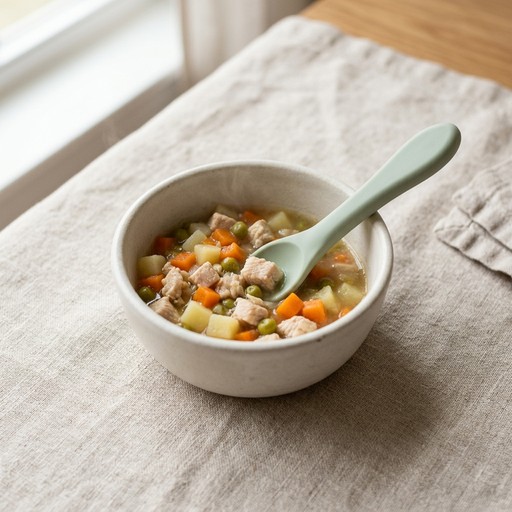
12mo+ · 50 min
Chicken & Vegetable Stew
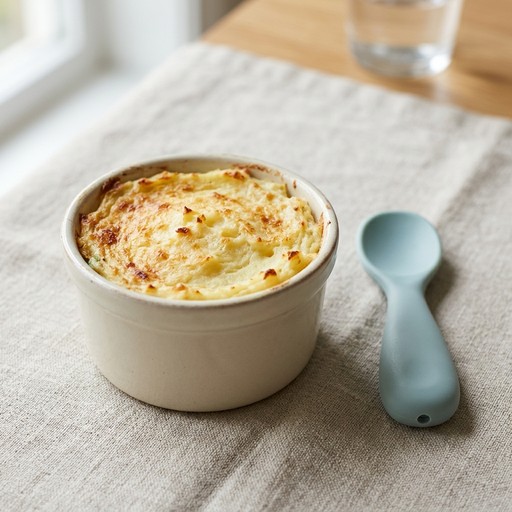
12mo+ · 60 min
Baby Cottage Pie
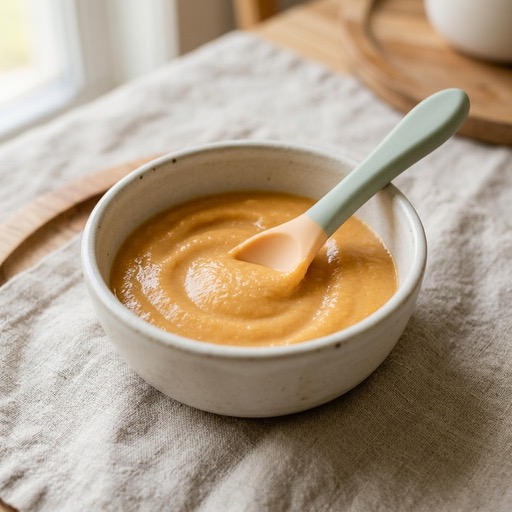
6mo+ · 23 min
Flounder & Carrot
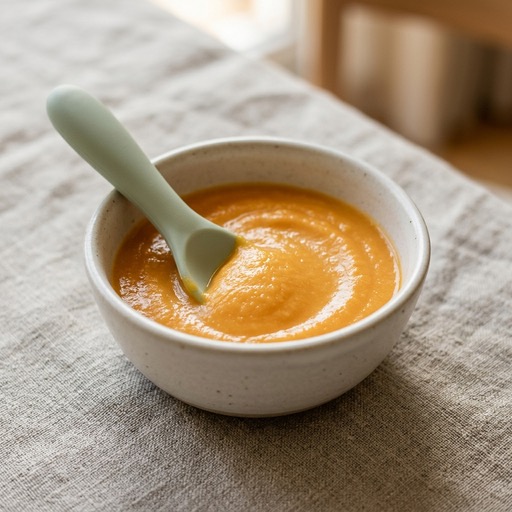
6mo+ · 23 min
Haddock & Carrot
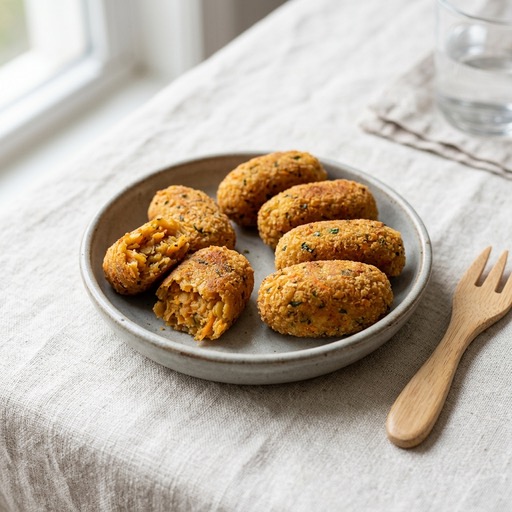
9mo+ · 35 min
Lentil & Carrot Croquettes
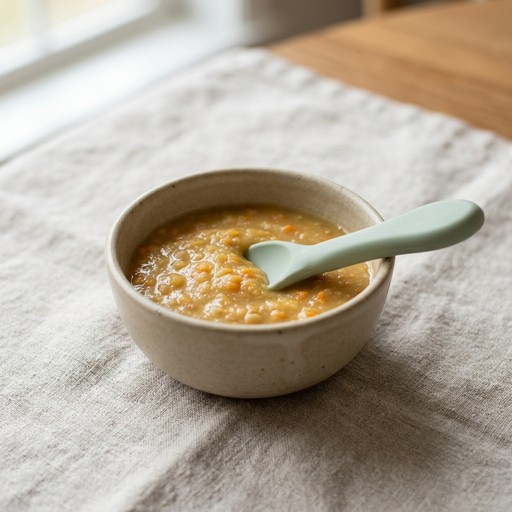
12mo+ · 40 min
Simple Baby Dal
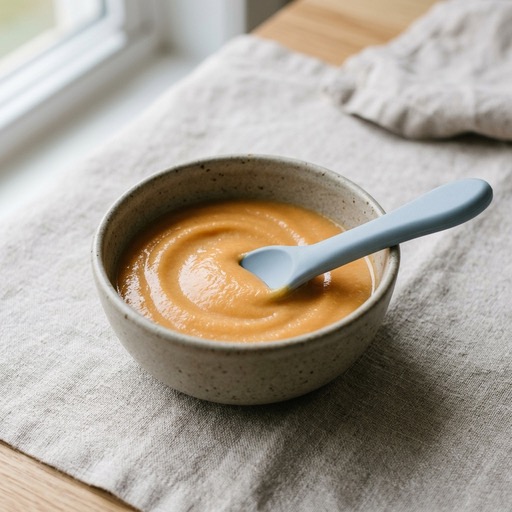
6mo+ · 30 min
Pork & Carrot
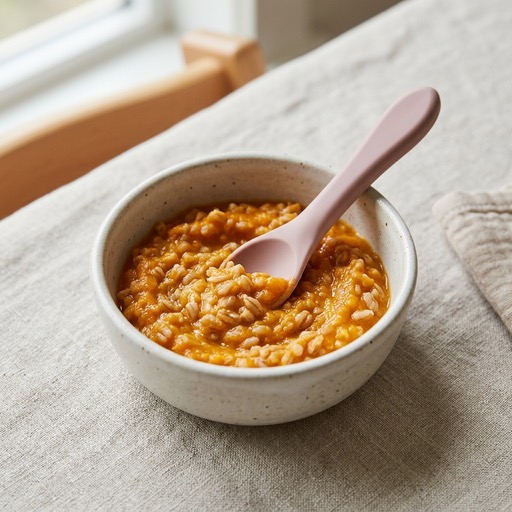
6mo+ · 40 min
Farro & Carrot
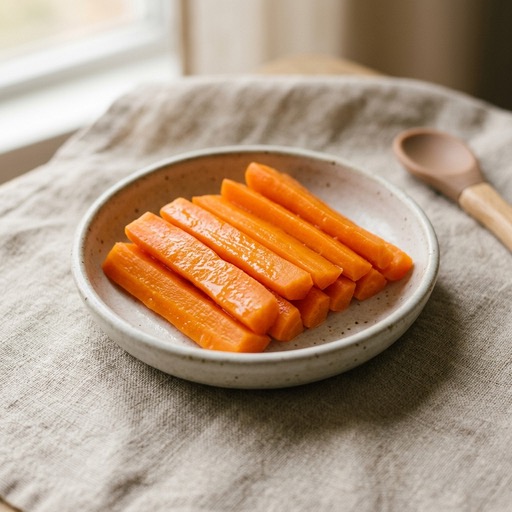
6mo+ · 17 min
Steamed Carrot Sticks
6mo+ · 25 min
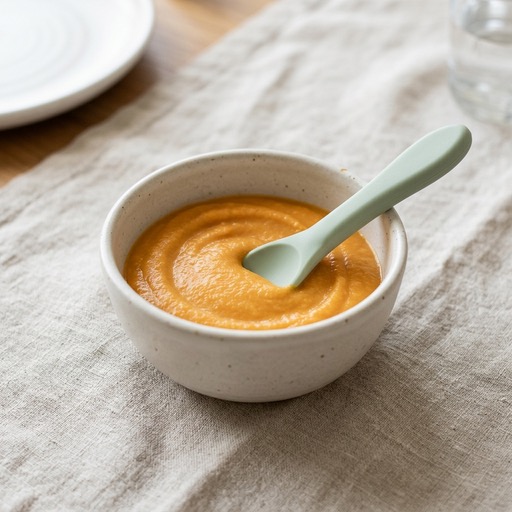
Lima Bean & Carrot
6mo+ · 20 min
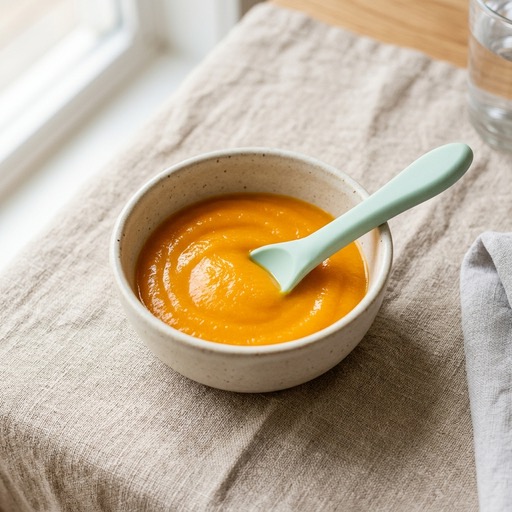
Mango & Carrot Combo
6mo+ · 35 min
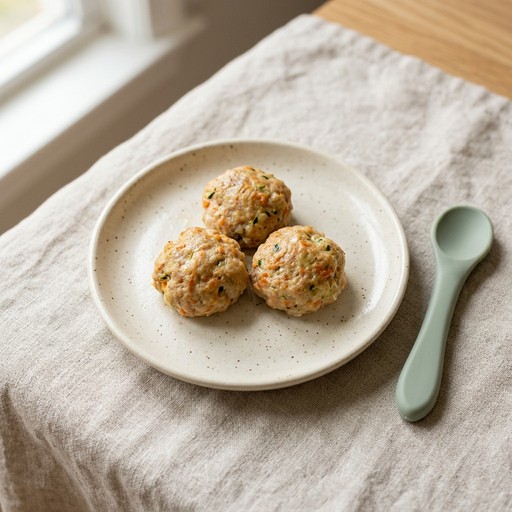
Turkey & Veggie Meatballs
12mo+ · 25 min
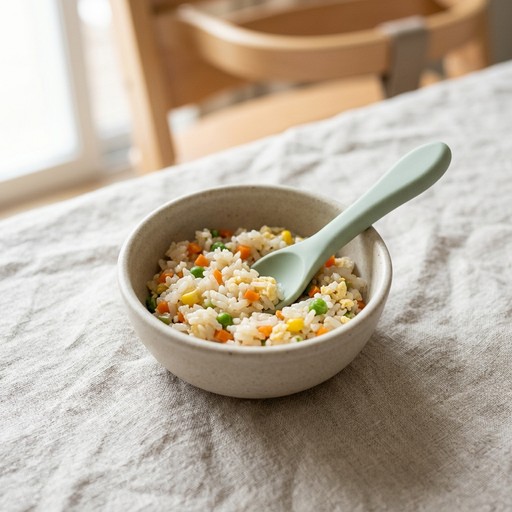
Vegetable Fried Rice
6mo+ · 30 min
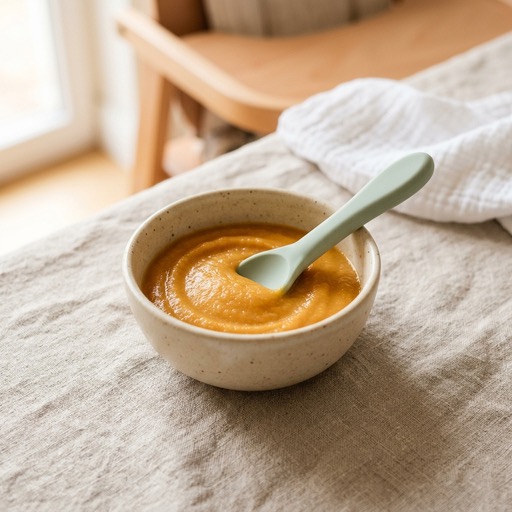
Mung Bean & Carrot
9mo+ · 10 min
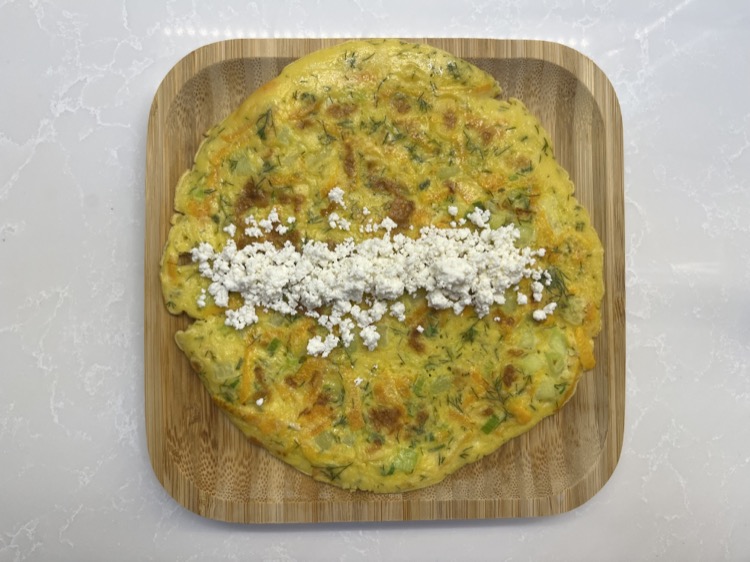
Vegetable Omelette Wrap
6mo+ · 20 min
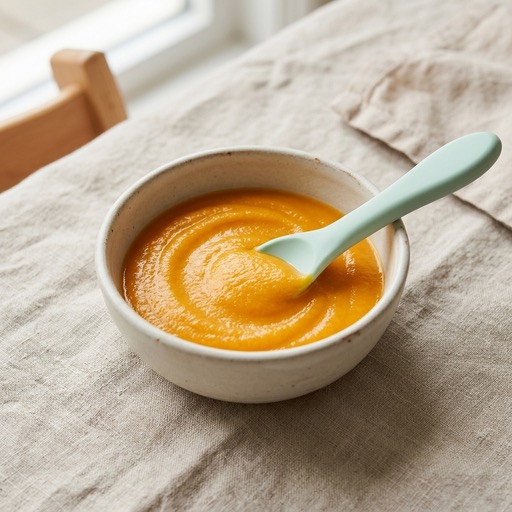
Pear & Carrot Combo

9mo+ · 17 min